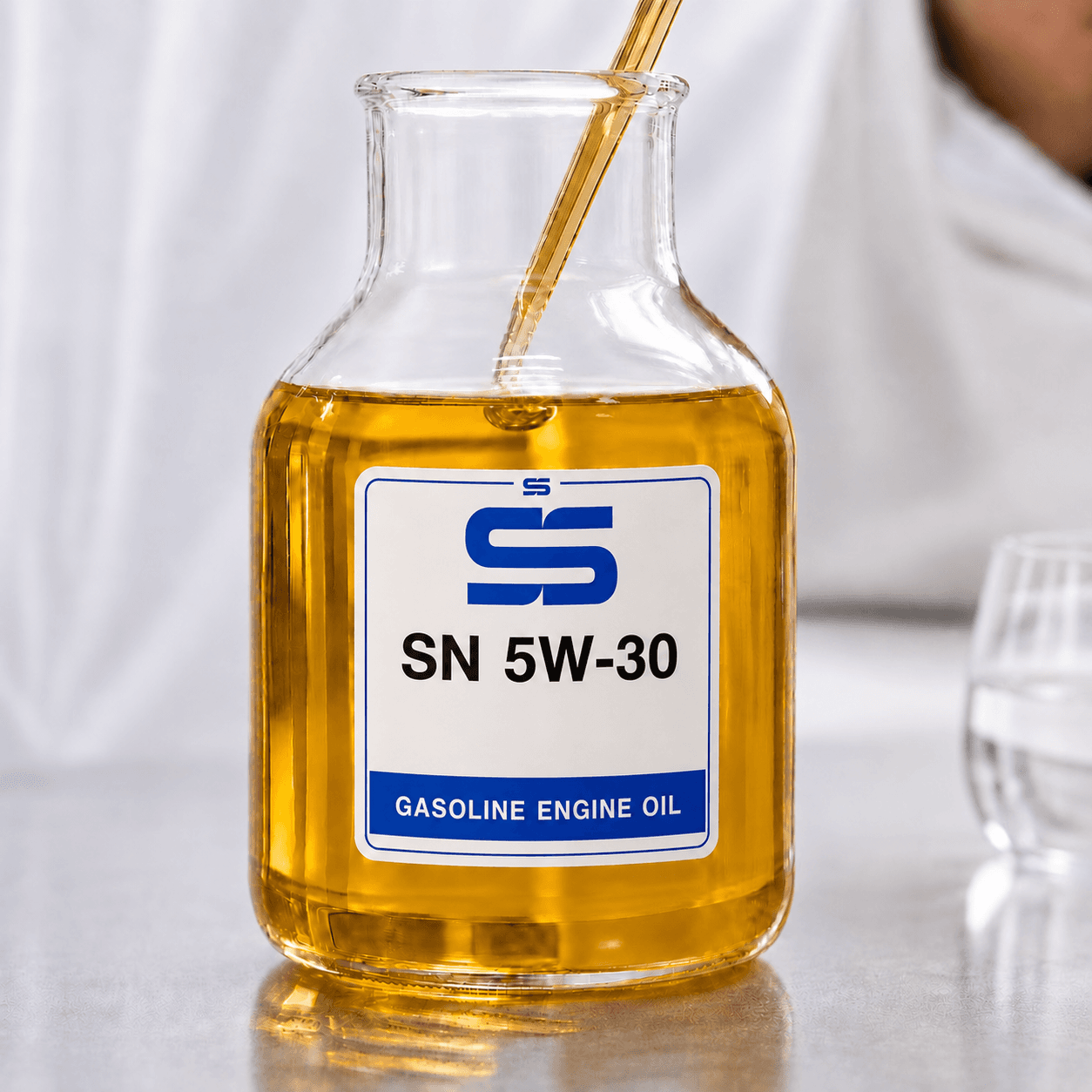
SN 5W-30 is a synthetic-based gasoline engine oil for passenger cars in the SAE 5W-30 viscosity grade, formulated to API SN. API lists SN as a current category for gasoline automotive engines of model year 2020 and older.
The specification table publishes typical values with their ASTM methods — kinematic viscosity, cold-cranking viscosity, Noack volatility, base number, shear stability, foaming tendency and copper corrosion — so the oil can be checked against the vehicle handbook before purchase.
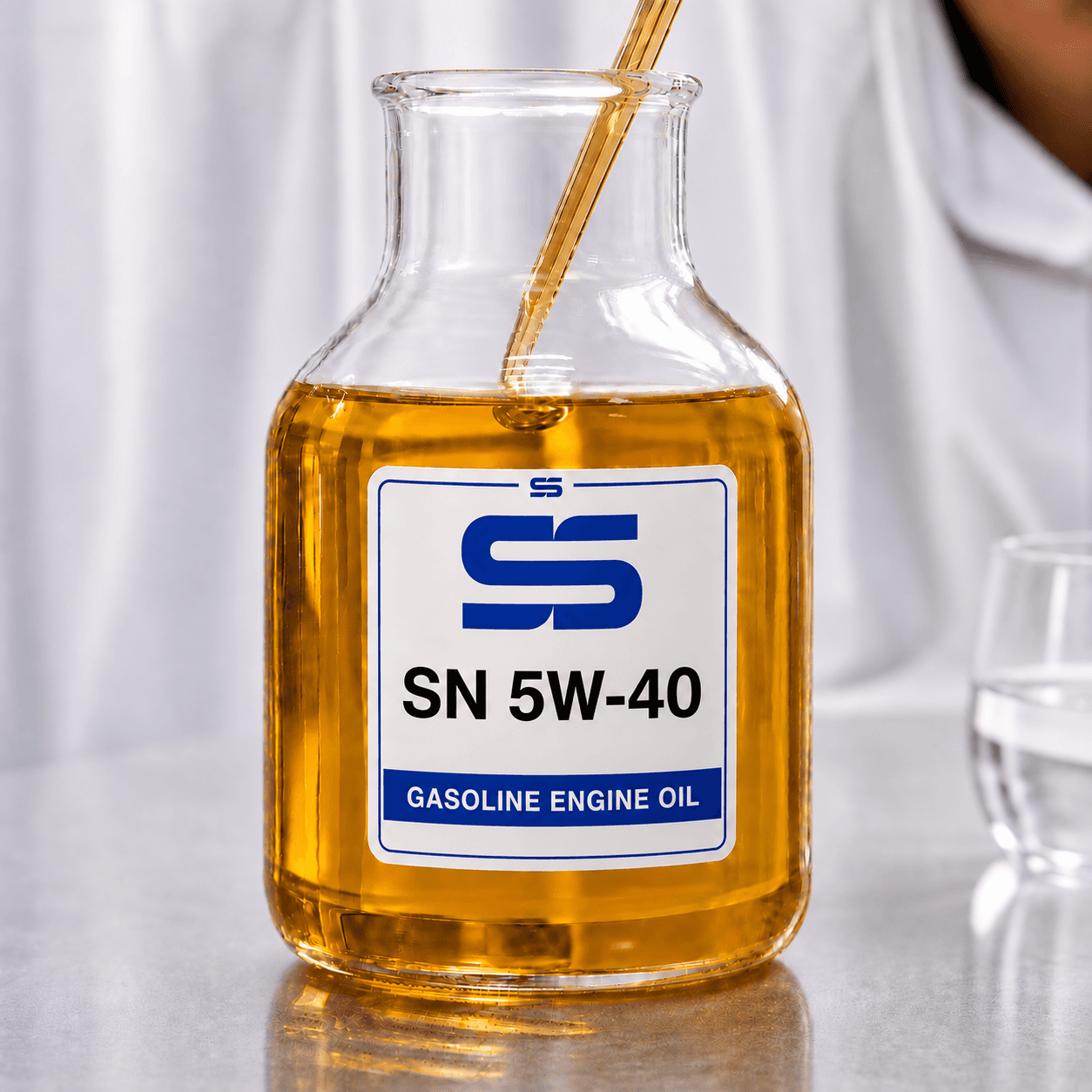
SN 5W-40 is a synthetic-based gasoline engine oil for passenger cars in the SAE 5W-40 viscosity grade, formulated to API SN. API lists SN as a current category for gasoline automotive engines of model year 2020 and older.
The specification table publishes typical values with their ASTM methods — kinematic viscosity, cold-cranking viscosity, Noack volatility, base number, shear stability, foaming tendency and copper corrosion — so the oil can be checked against the vehicle handbook before purchase.
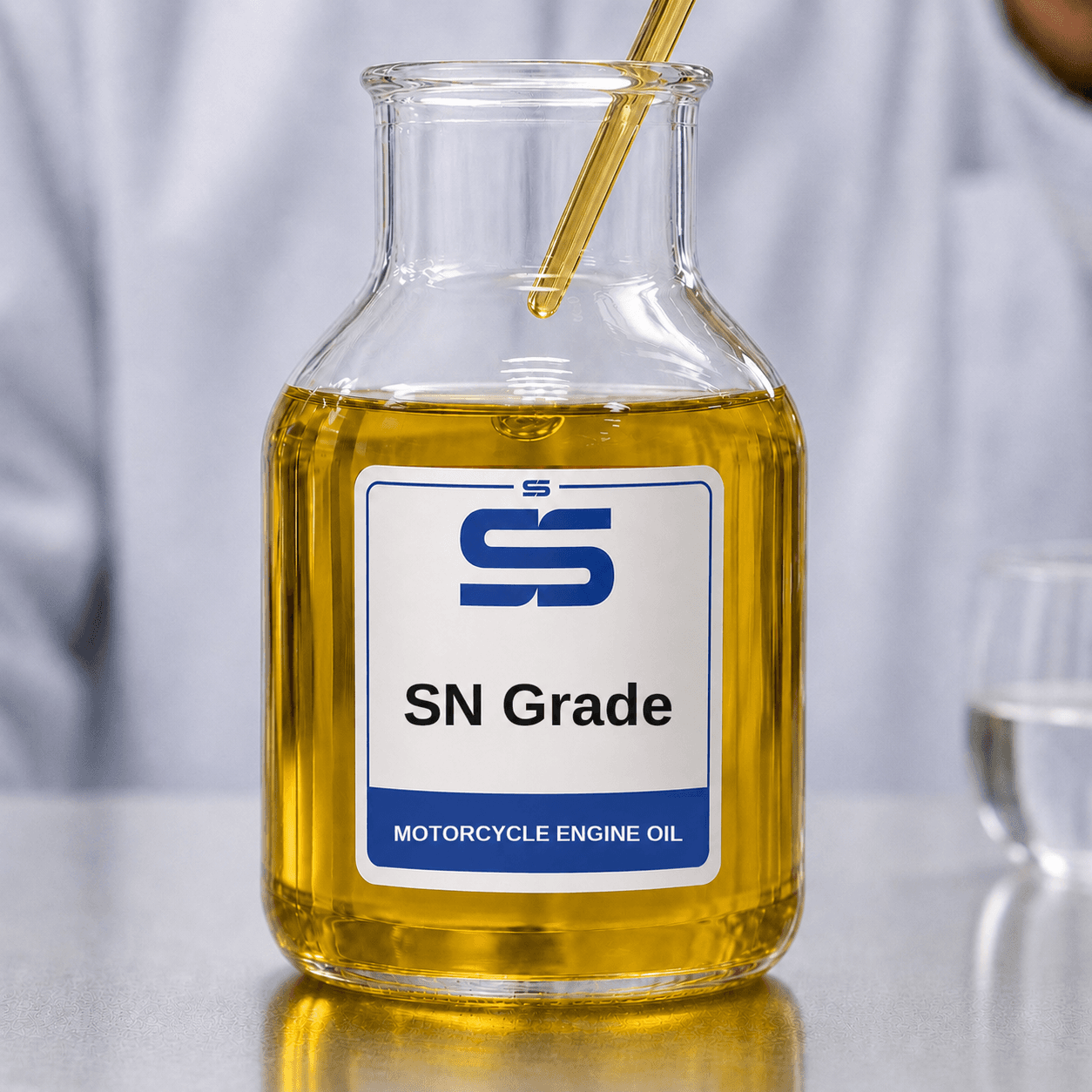
SN Grade, in our motorcycle range, is an engine oil made from fully synthetic base oil for four-stroke motorcycles used on the race track. It is supplied in a single grade, 10W40.
It is a separate product from the passenger-car SN Grade of the same name. The specification table publishes viscosity at 100 °C of 13.5 cSt, a viscosity index of 160 and a TBN of 10 mg KOH/g.
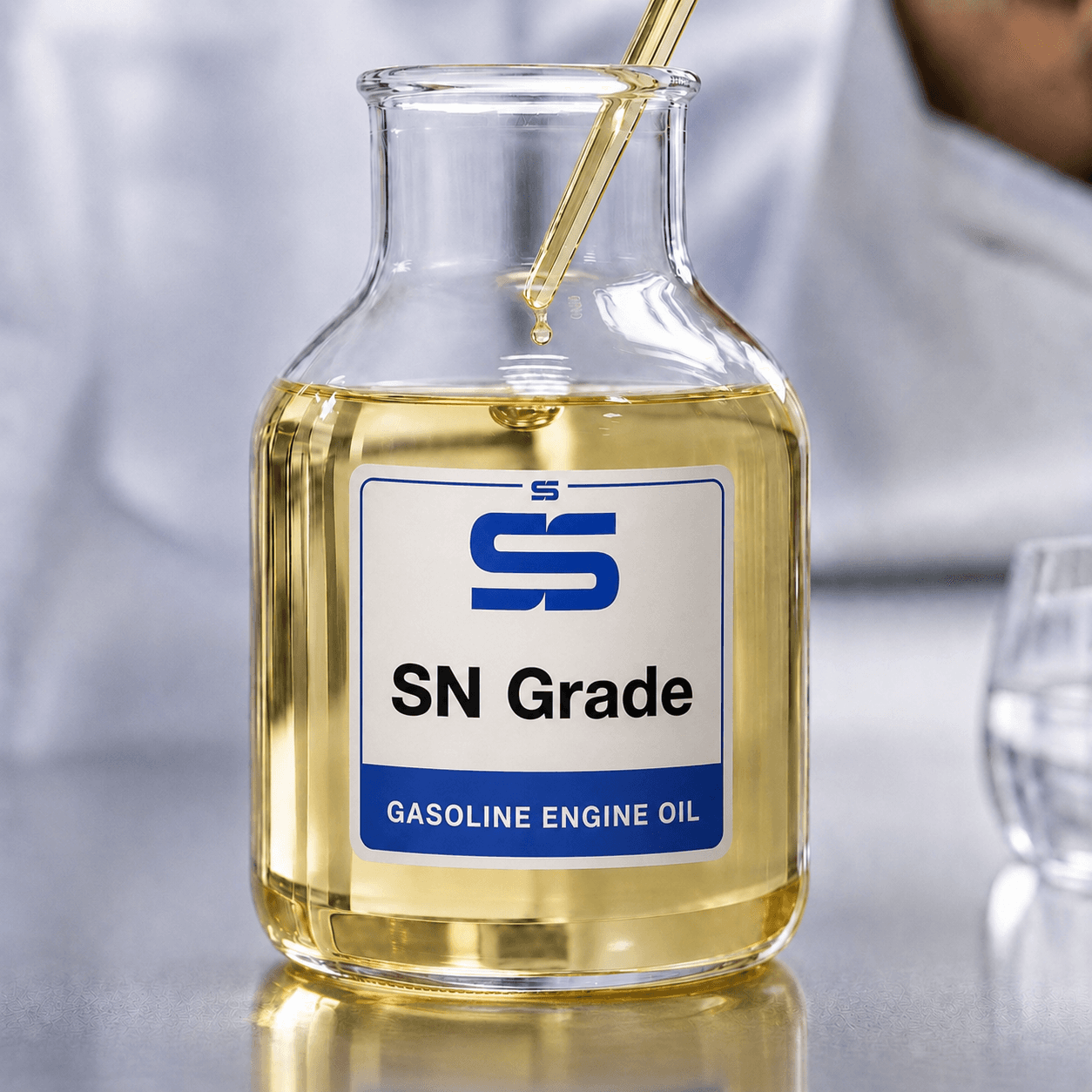
SN Grade is a multigrade gasoline engine oil made from synthetic base oil and additives for modern gasoline cars, offered in four grades from 0W20 to 10W40. Available grades: SN 0W20, SN 5W30, SN 5W40, SN 10W40. API lists SN as a current category for gasoline automotive engines of model year 2020 and older.
Each grade is listed separately in the specification table with its viscosity at 100 °C, viscosity index, flash point, pour point, density and base number, so grades can be compared directly before ordering.
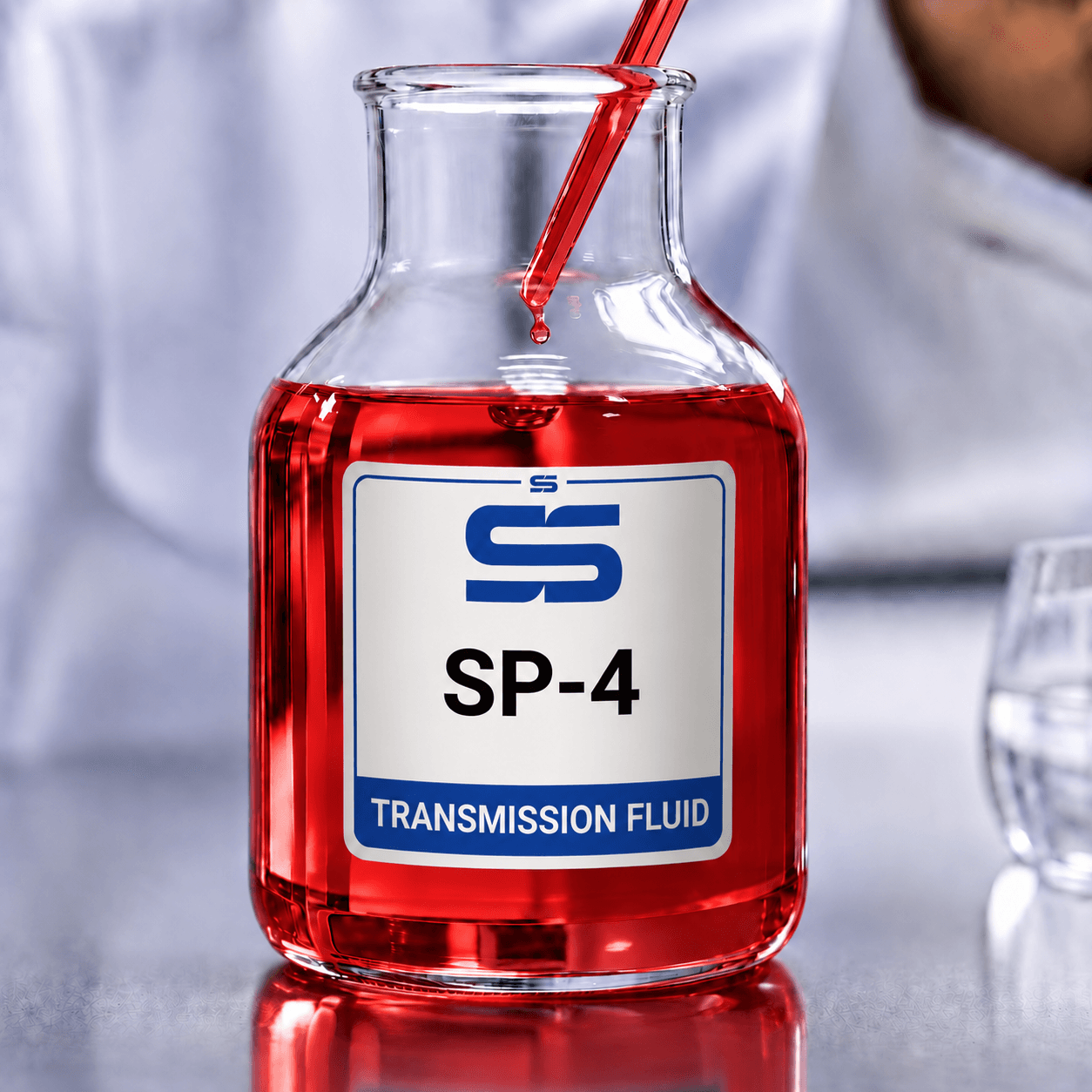
SP-4 is a automatic transmission fluid of the SP-4 type. The product name identifies the transmission-fluid type it is formulated for; it is not a statement of approval by any vehicle or transmission manufacturer.
Published typical values are 25 cSt at 40 °C and 5.6 cSt at 100 °C, a viscosity index of 164 and a pour point of -45 °C. Flash point, appearance and copper corrosion are also listed in the specification table.
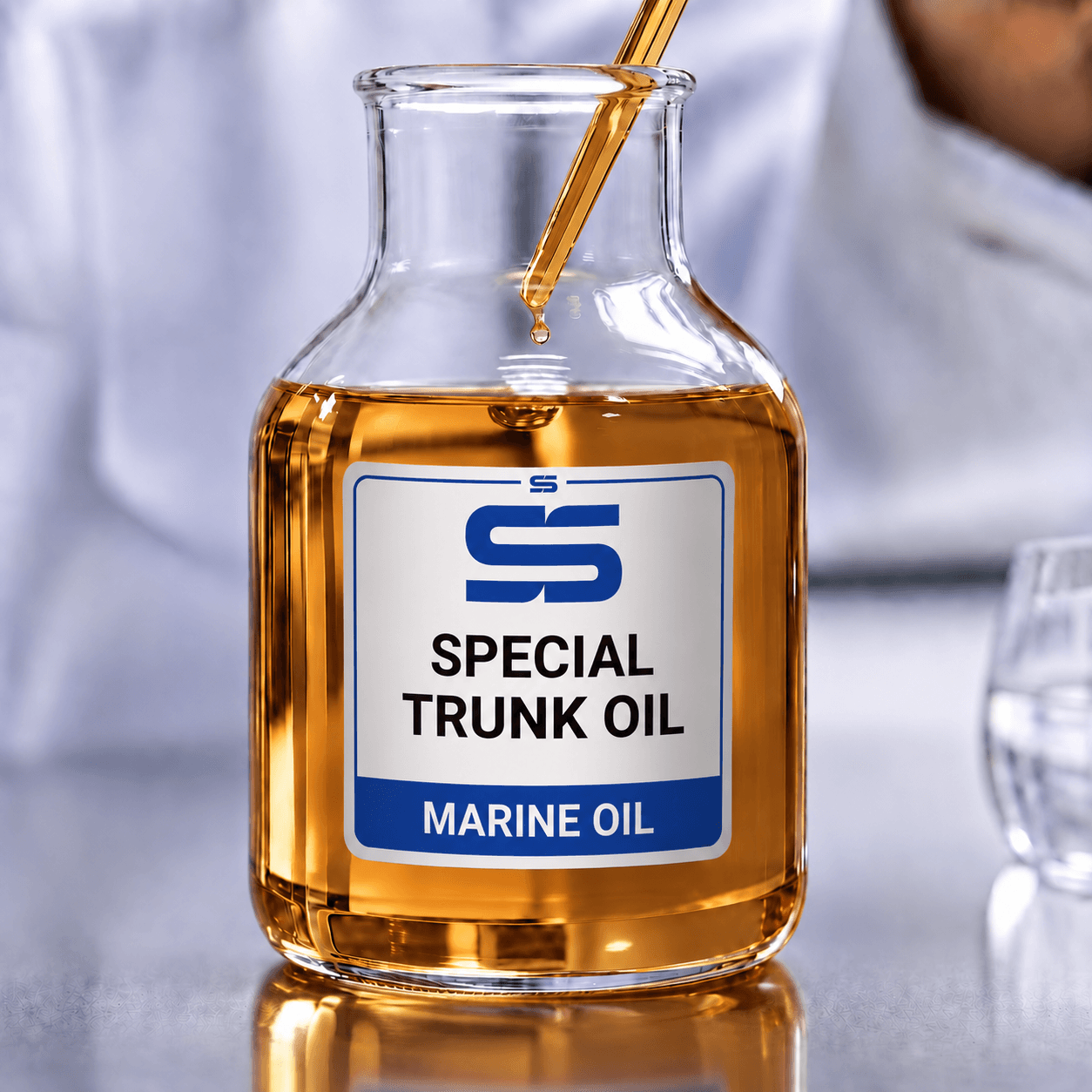
Special trunk oil is a lubricant for medium-speed four-stroke trunk-piston engines running on low-sulphur distillate fuels. Grades: 30, 40. Its published base number is 12 mg KOH/g. For high-sulphur residual fuel, see Trunk oil or super trunk oil.
In marine and stationary diesel service, the base number is matched to the sulphur content of the fuel: higher-sulphur fuels need a higher base number to neutralise the acids formed in combustion. The specification table lists each grade with its test methods.
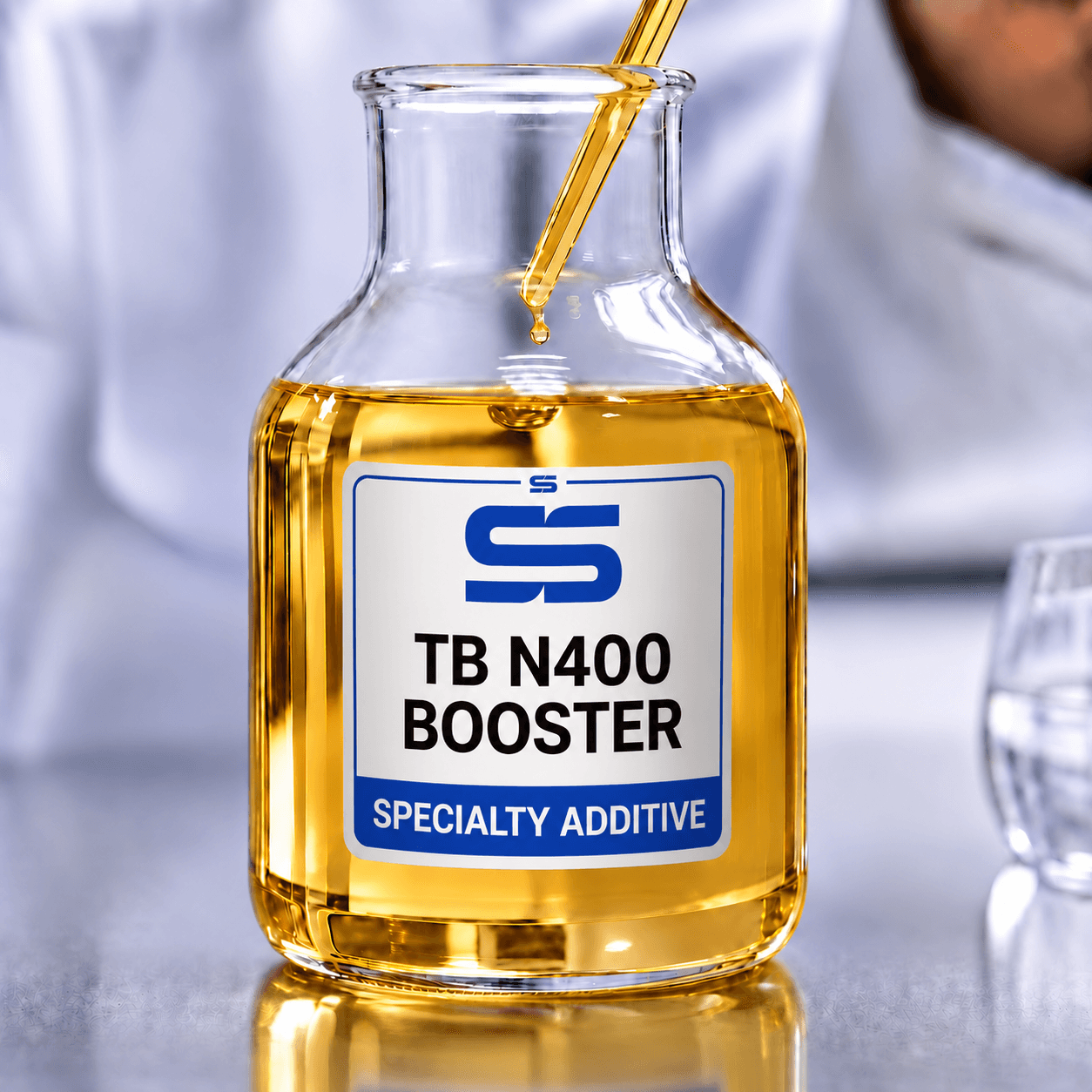
TB N400 Booster is a super-overbased synthetic calcium sulfonate prepared from long-chain alkylbenzene sulfonic acid, used to raise base number.
Any API or other performance level a finished oil reaches depends on the base oil and the treat rate; it is not a property of the additive alone. Blend trials on your own base stock are recommended before production.
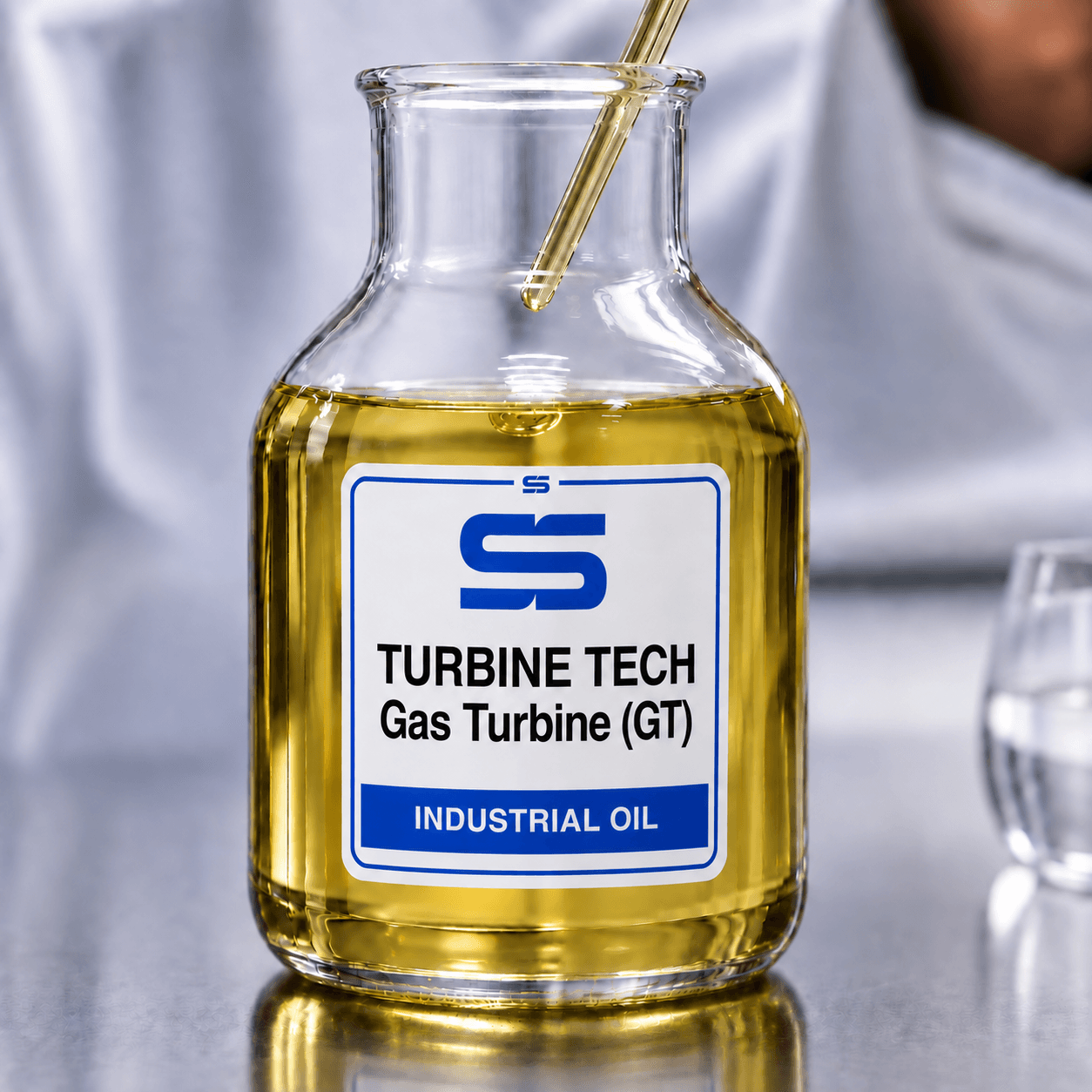
TURBINE TECH Gas Turbine (GT) is an industrial turbine oil for gas-turbine service. It is offered in ISO VG 32, ISO VG 46, ISO VG 68, ISO VG 100.
The specification table lists, for each grade, kinematic viscosity at 40 °C and 100 °C, viscosity index, pour point, flash point and acid number and air release, each with its test method. Share operating conditions with our technical team to confirm the grade before supply.
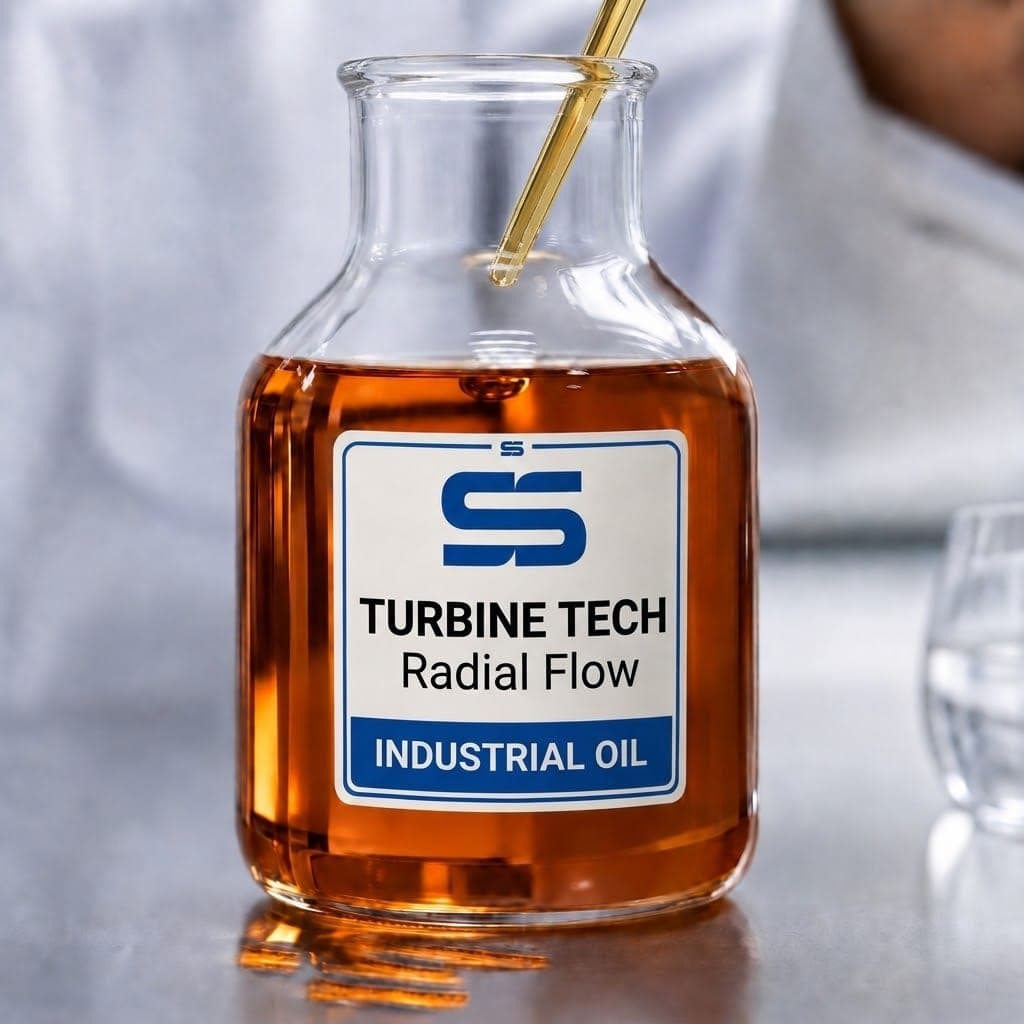
TURBINE TECH Radial Flow is an industrial turbine oil for radial-flow turbines. It is offered in ISO VG 32, ISO VG 46.
The specification table lists, for each grade, kinematic viscosity at 40 °C and 100 °C, viscosity index, pour point, flash point and acid number and air release, each with its test method. Share operating conditions with our technical team to confirm the grade before supply.
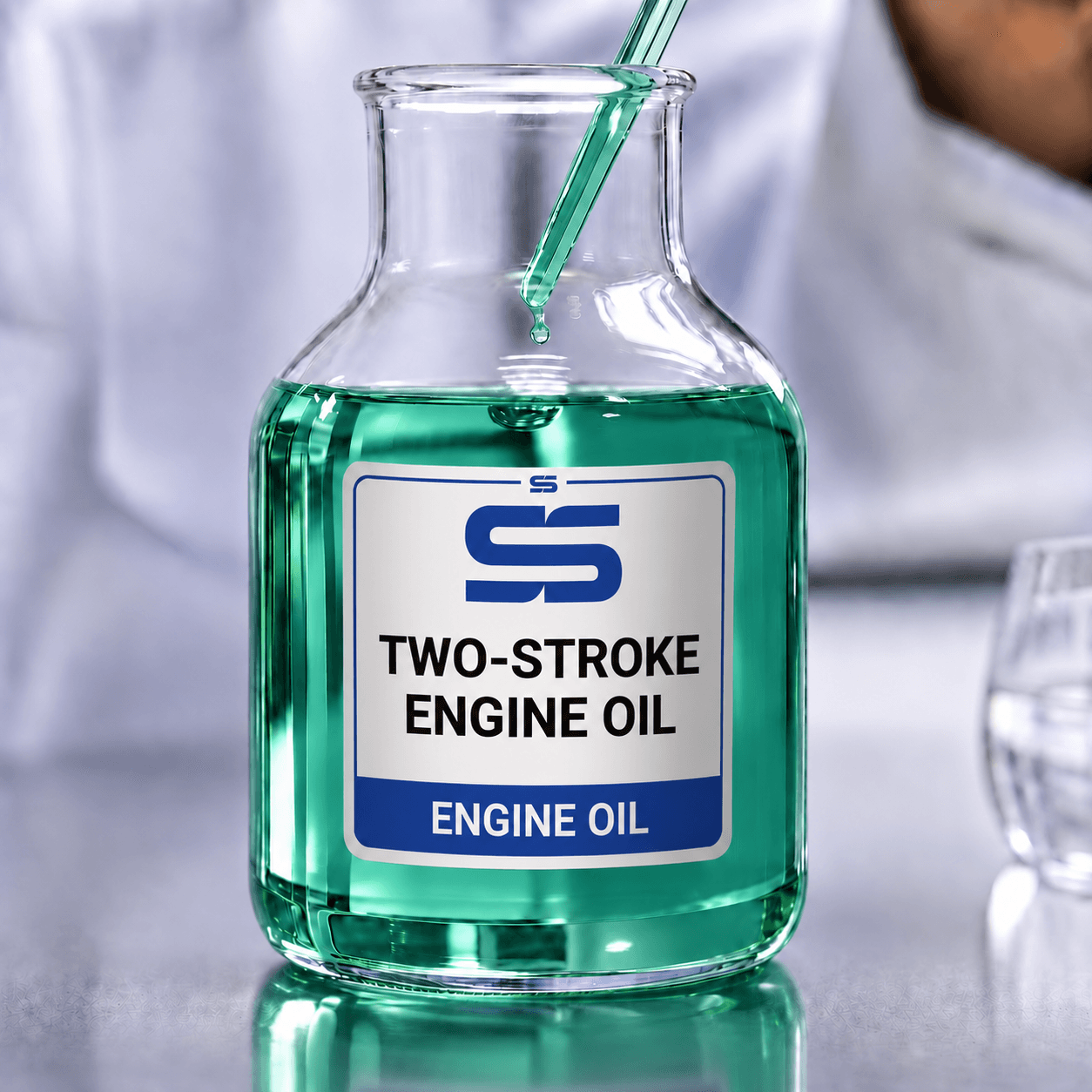
TWO-Stroke Engine Oil is an oil for two-stroke gasoline engines, supplied as a single product.
In marine and stationary diesel service, the base number is matched to the sulphur content of the fuel: higher-sulphur fuels need a higher base number to neutralise the acids formed in combustion. The specification table lists each grade with its test methods.
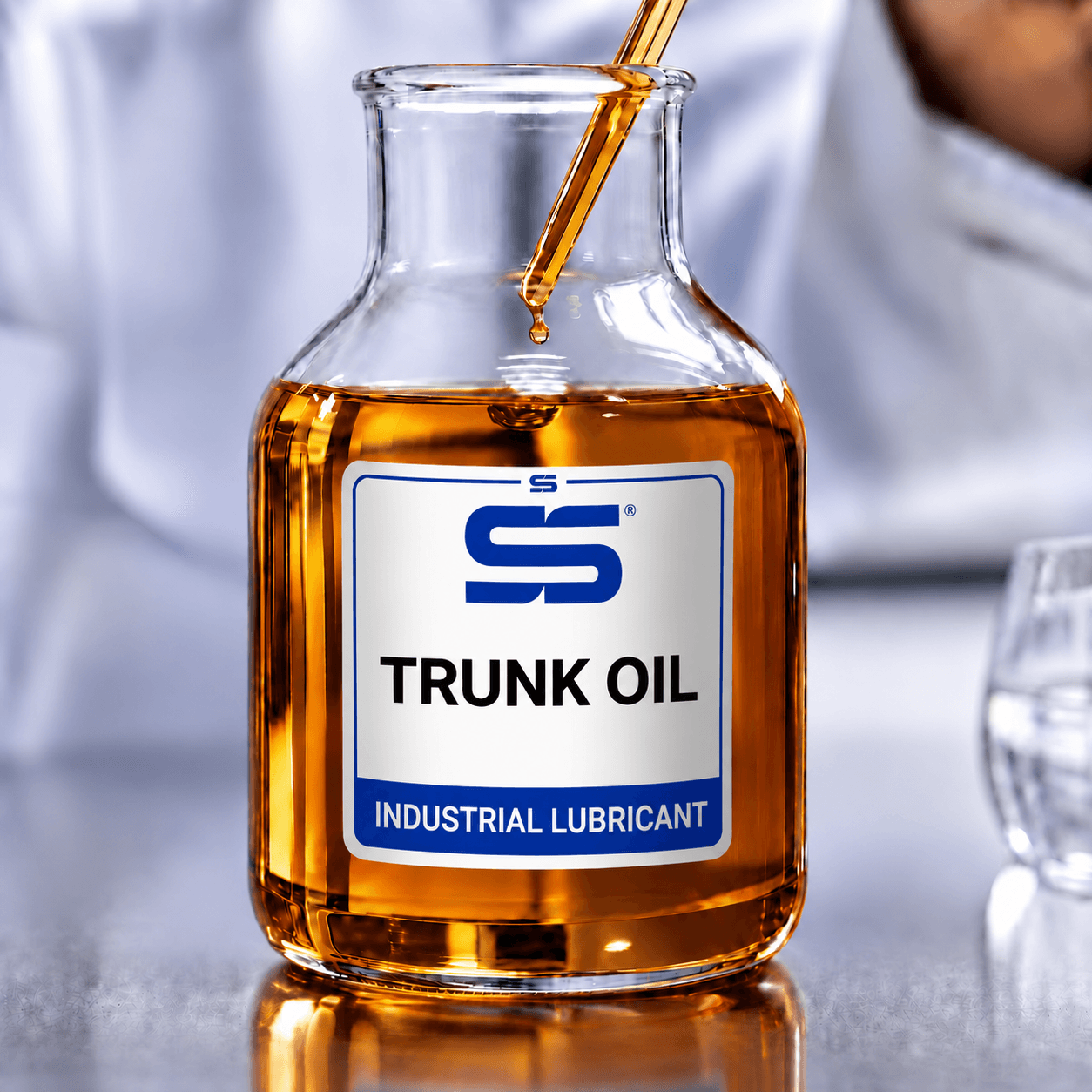
Trunk oil is a lubricant for medium-speed four-stroke trunk-piston engines operating on high-sulphur residual fuel. Grades: 30, 40. Its published base number is 30 mg KOH/g. For low-sulphur distillate fuel, see Special trunk oil.
In marine and stationary diesel service, the base number is matched to the sulphur content of the fuel: higher-sulphur fuels need a higher base number to neutralise the acids formed in combustion. The specification table lists each grade with its test methods.
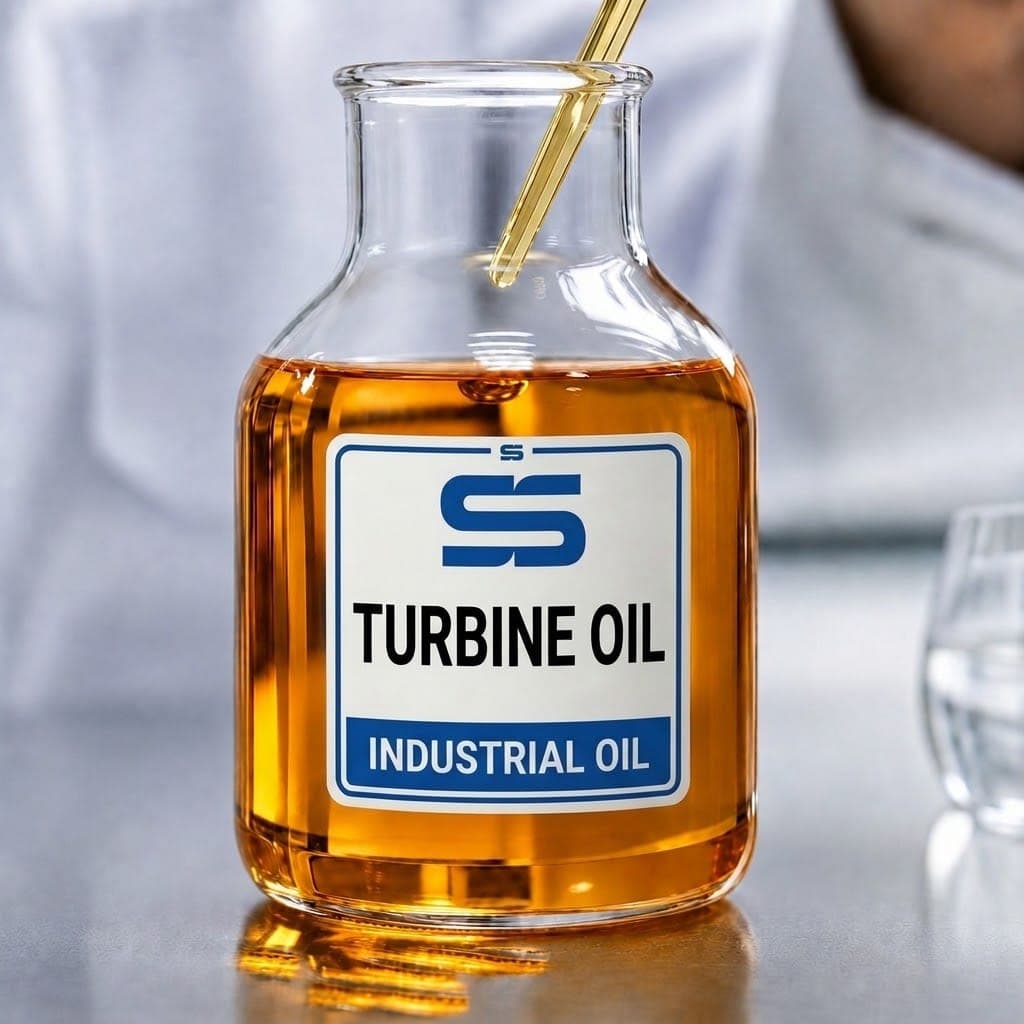
Turbine oil is a lubricant for water, steam and gas turbines made from base oils and special additives, offered in standard and Plus versions. Grades: T-32, T-46, T-68, T-100, T-32 Plus, T-46 Plus, T-68 plus.
The specification table lists each grade separately, with the test method for every value, so grades can be compared directly before ordering.
Two-stroke motor oil is an additive package for formulating two-stroke engine oils — a balanced combination of detergent and dispersant with a low-ash character; despite its name, it is not a finished oil.
Any API or other performance level a finished oil reaches depends on the base oil and the treat rate; it is not a property of the additive alone. Blend trials on your own base stock are recommended before production.
Universal Engine oil additive is a universal additive package for internal-combustion engine oils, intended for blending top-tier oils.
Any API or other performance level a finished oil reaches depends on the base oil and the treat rate; it is not a property of the additive alone. Blend trials on your own base stock are recommended before production.
diesel engine oil additive package is a combined package of zinc dithiophosphate, detergent, dispersant and antioxidant, used mainly for blending low- and mid-grade diesel engine oils.
Any API or other performance level a finished oil reaches depends on the base oil and the treat rate; it is not a property of the additive alone. Blend trials on your own base stock are recommended before production.
hydraulic Oil- HH Grade is a hydraulic oil based on mineral base oil and additives for hydraulic and power-transmission systems built to the relevant standards. Grades: HH 22, HH 32, HH 46, HH 68, HH 150. In the ISO 6743-4 family, HH denotes a refined base oil without rust, oxidation or anti-wear additives (ASTM D6158).
The specification table lists each grade separately, with the test method for every value, so grades can be compared directly before ordering.
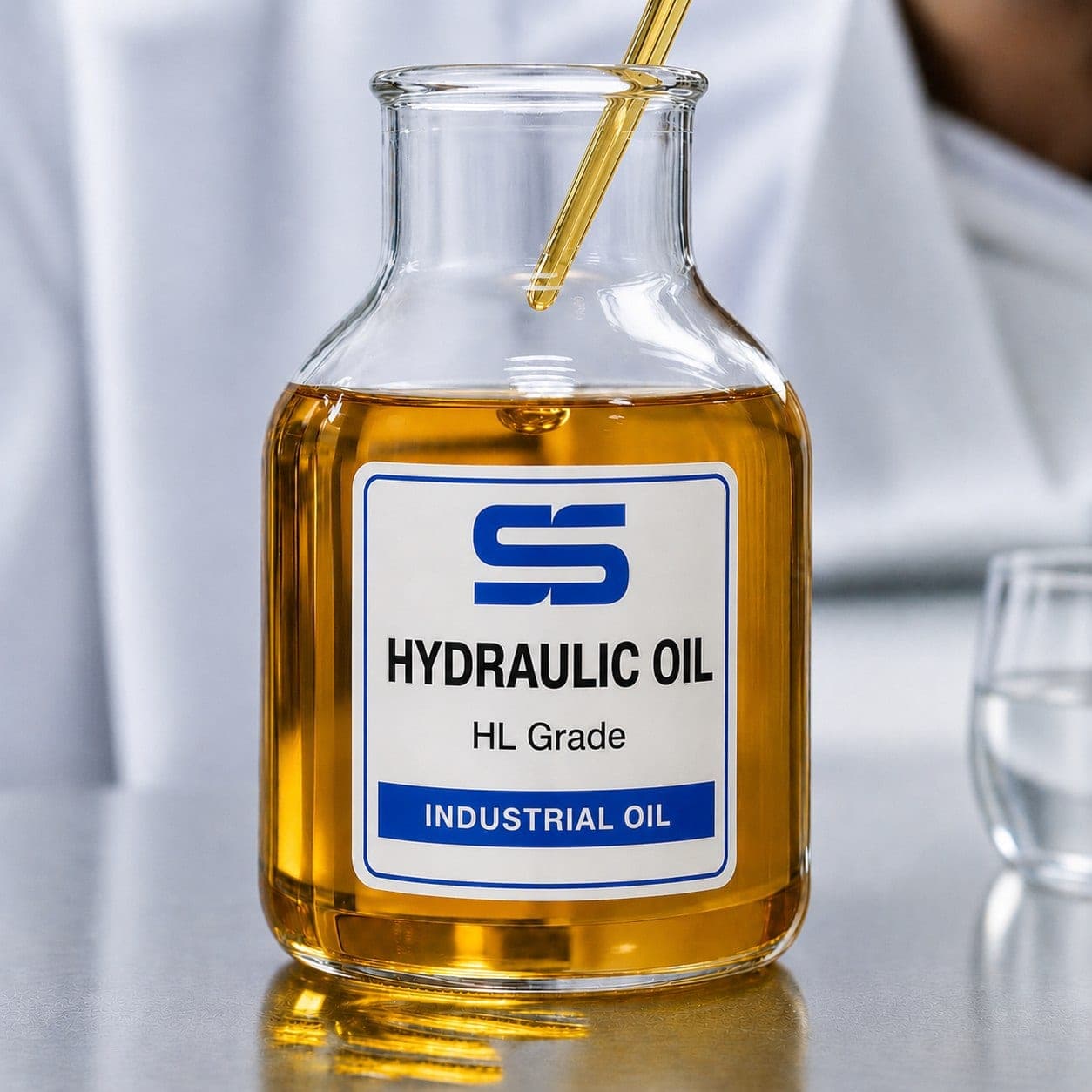
hydraulic oil- HL Grade is a hydraulic oil based on mineral base oil and additives for hydraulic control systems and power transmission, also suitable for circulating systems. Grades: HL 22, HL 32, HL 46, HL 68, HL 150. In the ISO 6743-4 family, HL denotes a refined base oil with rust and oxidation inhibitors (ASTM D6158).
The specification table lists each grade separately, with the test method for every value, so grades can be compared directly before ordering.
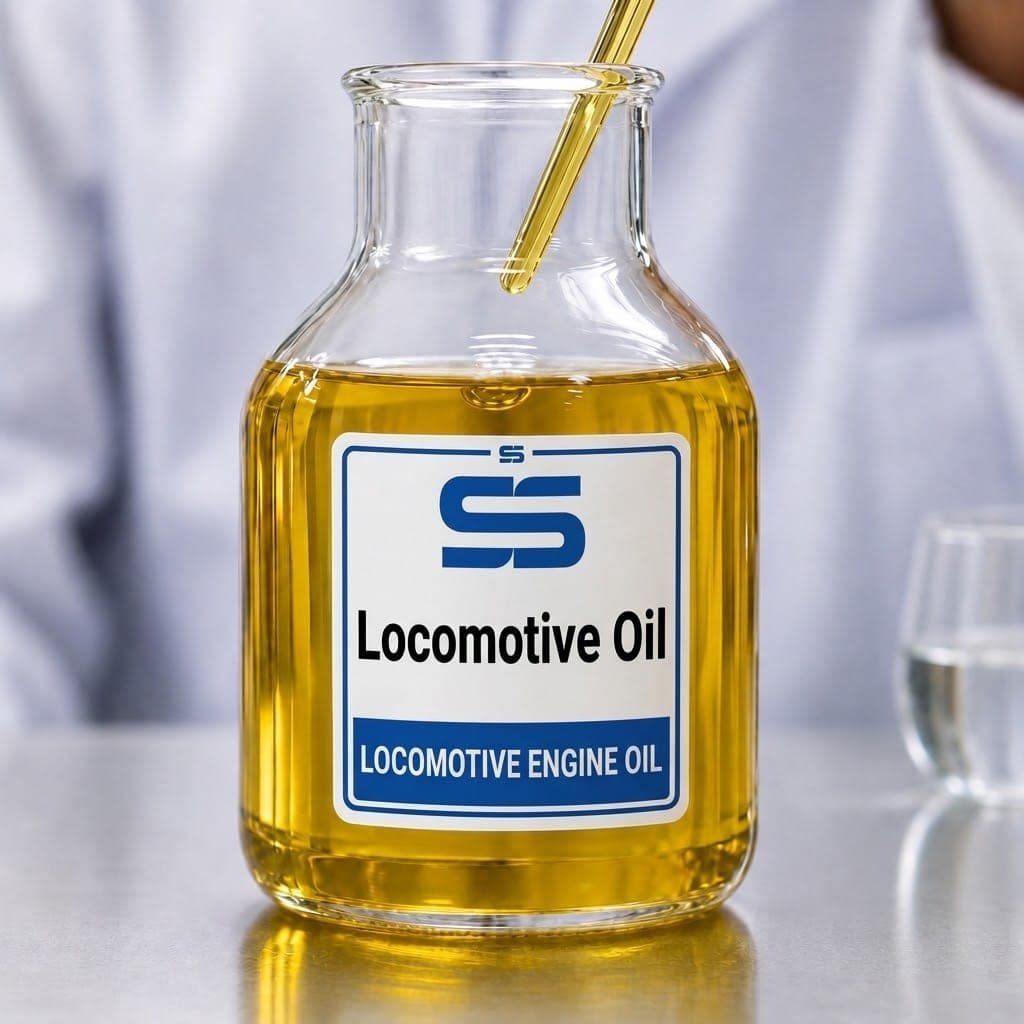
locomotive Oil is a zinc-free engine oil for locomotive diesel engines, made from base oils and additives formulated without zinc. It is offered as SAE 40 and SAE 15w-40.
Zinc-free formulation matters where the engine builder restricts zinc in the lubricant — some locomotive engines use bearing or component materials for which zinc-containing oils are not recommended. Both grades publish a TBN of 16 mg KOH/g in the specification table.
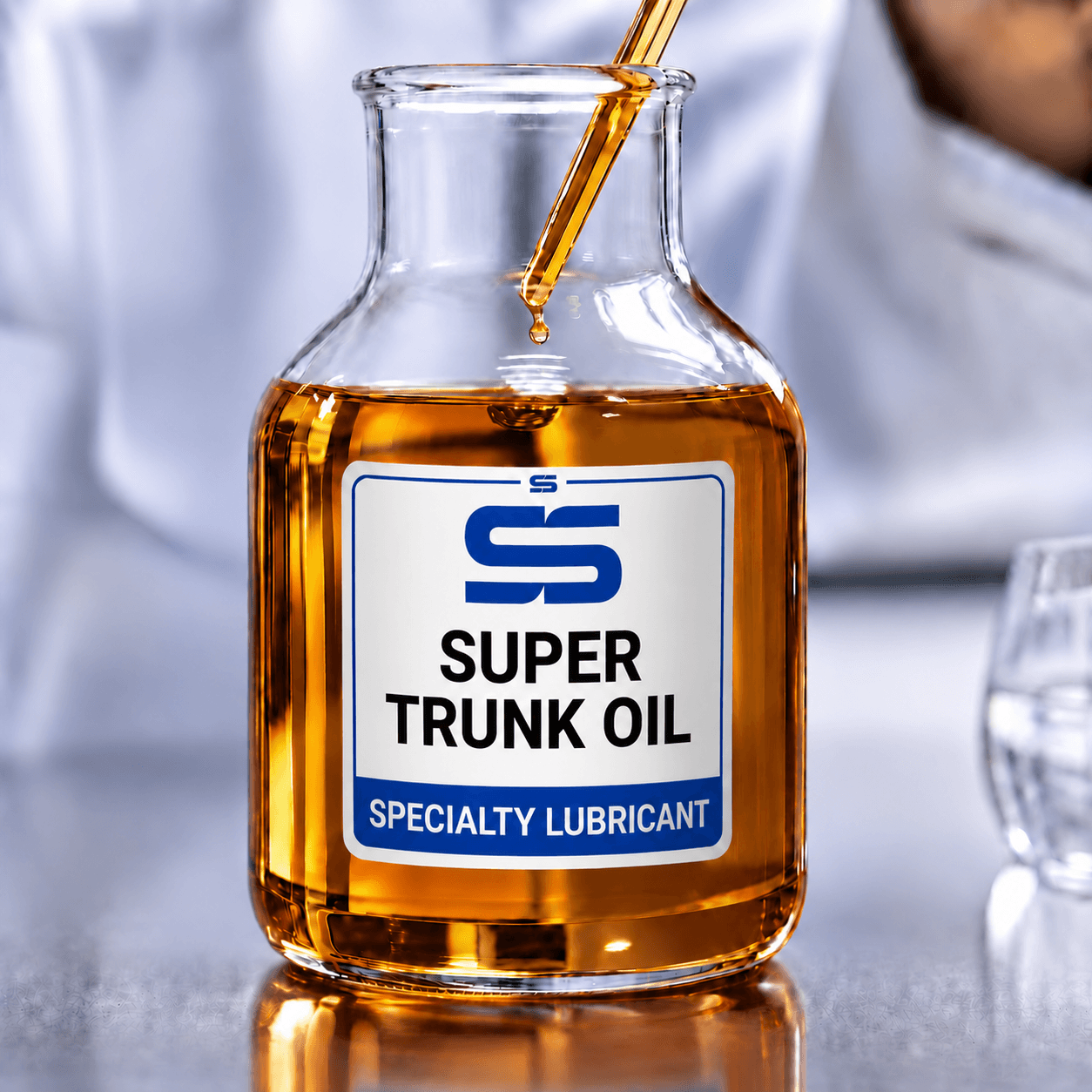
super trunk oil is a lubricant for four-stroke trunk-piston engines running at medium speed on high-sulphur fuel. Grades: 5W50. Its published base number is 40 mg KOH/g.
In marine and stationary diesel service, the base number is matched to the sulphur content of the fuel: higher-sulphur fuels need a higher base number to neutralise the acids formed in combustion. The specification table lists each grade with its test methods.
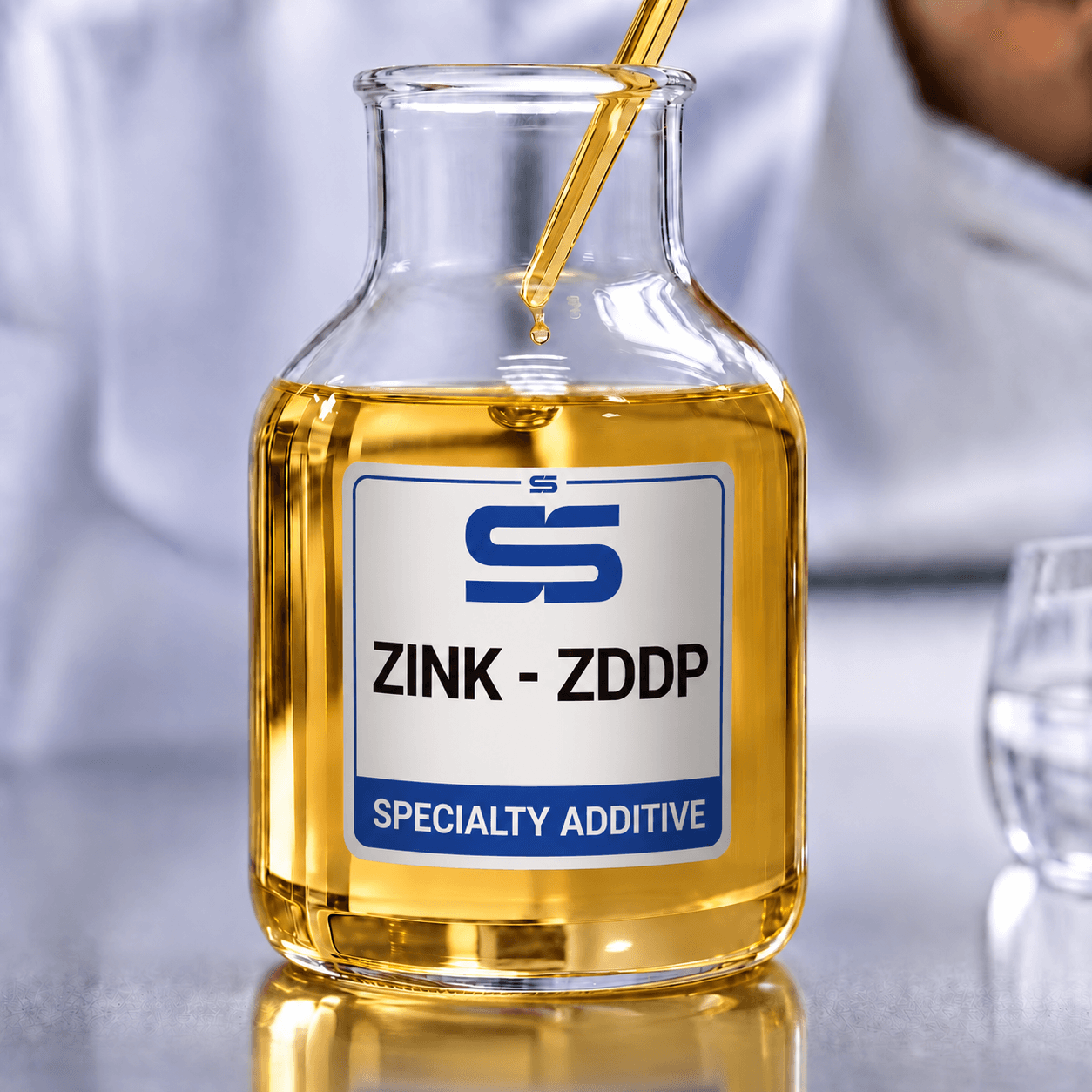
zink-ZDDP is a zinc dialkyldithiophosphate (ZDDP) additive, a widely used anti-wear chemistry.
Any API or other performance level a finished oil reaches depends on the base oil and the treat rate; it is not a property of the additive alone. Blend trials on your own base stock are recommended before production.